Trump’s New Favorite Neighbor Mexico and the Booming US Partnership

For years, Donald Trump’s politics cast Mexico as a source of border pressure, trade imbalance, and security risk. Now the story has taken a hard turn. The relationship with Canada has grown strained, while the U.S. relationship with Mexico is, by several key measures, expanding fast.
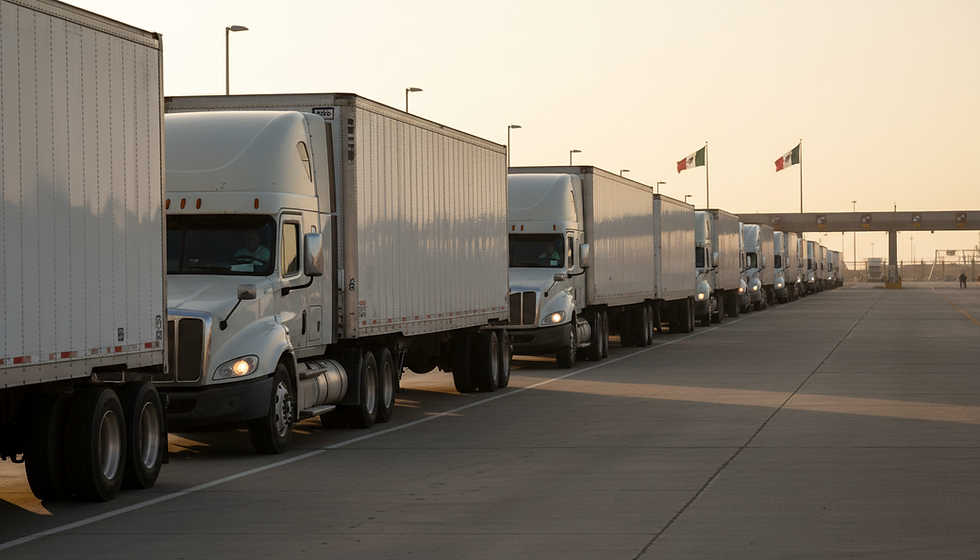
That shift is more than tone. It shows up in border policy, law enforcement, supply chains, energy, manufacturing, and trade. Joint efforts to slow illegal crossings have helped push crossings down to historic lows. Cooperation against drug cartels has become more active. Commerce between the two countries has reached record levels, with each now ranking as the other’s biggest trading partner, according to the framing described in the New York Times.
The politics are just as important. A new phase of the U.S.-Mexico-Canada Agreement, or USMCA, is approaching. A meeting that had been delayed is expected to be rescheduled. For the White House, getting an agreement before the midterm elections would be more than a trade win. It would be proof that a once-combative relationship is now producing results.
The U.S.-Mexico relationship has changed because both sides need results
The change did not happen because old disputes disappeared. Border politics remain hard. Migration is still a defining issue in Washington. Mexico still faces intense pressure from organized crime. The U.S. still worries about fentanyl, asylum claims, and the strength of its manufacturing base.
What has changed is the practical math.
The United States needs Mexico to help manage migration before people reach the U.S. border. Mexico needs access to the U.S. market, investment, and stable rules for trade. Both countries need a working security relationship, because cartels, weapons, drugs, and money do not stop at the border line.
That creates a partnership built less on warm language and more on pressure, incentives, and shared exposure.
Trump’s earlier political brand relied heavily on criticizing Mexico. The current posture, as described in recent reporting, looks very different. Mexico is no longer just a target in the border debate. It is a partner the White House needs to deliver measurable outcomes.
That does not mean the relationship is easy. It means both governments have strong reasons to keep talking.
The U.S.-Canada relationship, by contrast, has faced more friction. Trade disputes, defense spending arguments, tariffs, and political differences have weighed on the northern partnership. Canada remains a close ally, but the tone has cooled. Mexico, once the more politically explosive neighbor in Trump’s orbit, now appears to be the border country where the relationship is moving faster.
That reversal explains why the phrase Trump’s New Favorite Neighbor Mexico and the Booming US Partnership captures more than a headline. It points to a realignment in North American politics.
Border cooperation has become the clearest early result
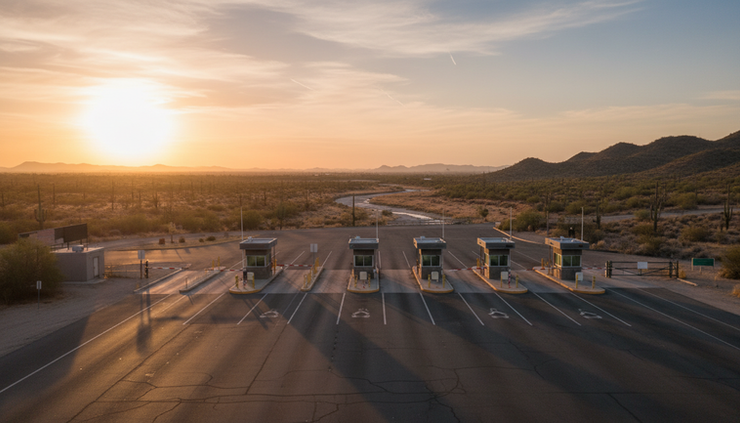
The border is where this partnership faces its most visible test. If illegal crossings rise, the politics become immediate. If crossings fall, both governments can claim progress.
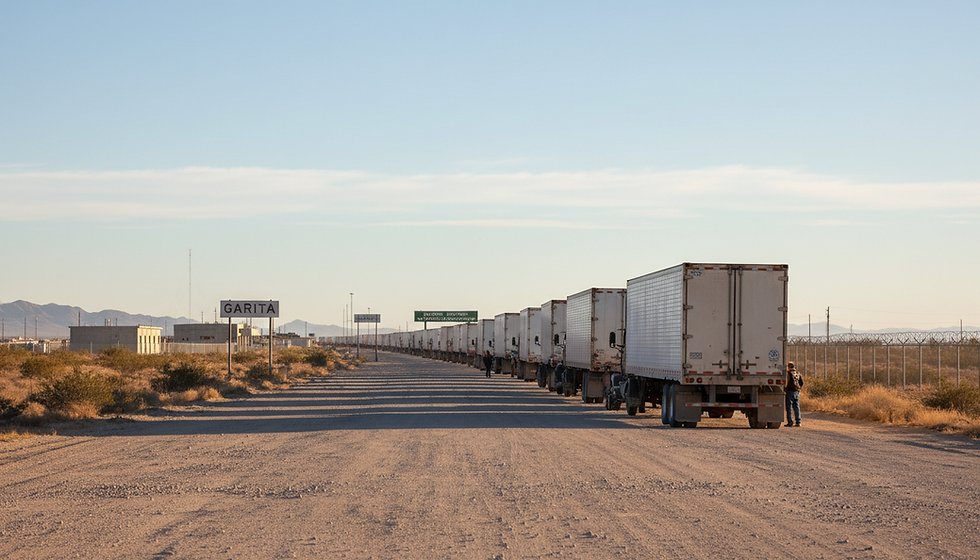
Joint U.S.-Mexico efforts have helped slow illegal border crossings to historic lows, according to the brief behind this discussion. That matters because border numbers shape public confidence, campaign messages, congressional fights, and diplomatic leverage.
Mexico can affect migration flows well before people reach the Rio Grande or the Sonoran Desert. It can increase checks along transit routes, limit movement through key corridors, and coordinate with U.S. officials on enforcement patterns. The United States can offer policy concessions, trade stability, intelligence, and diplomatic support.
This is not a simple story of one country acting for the other. Mexico has its own domestic politics, legal limits, and economic concerns. But the current partnership suggests both governments see value in coordinated action.
Lower crossings give the White House a powerful talking point. They also reduce pressure on border cities, shelters, courts, and enforcement agencies. For Mexico, cooperation can protect trade talks from being overwhelmed by migration disputes.
The risk is that border success can be fragile. Migration flows respond to many forces, including violence, poverty, climate stress, policy changes, and smuggling networks. A low month or even a low period does not guarantee a lasting fix.
Still, in politics, results that can be counted tend to matter. A steep drop in crossings gives both sides a reason to keep the partnership alive.
Security cooperation now reaches deep into cartel networks
Migration is only one part of the relationship. The other is organized crime, especially drug trafficking.
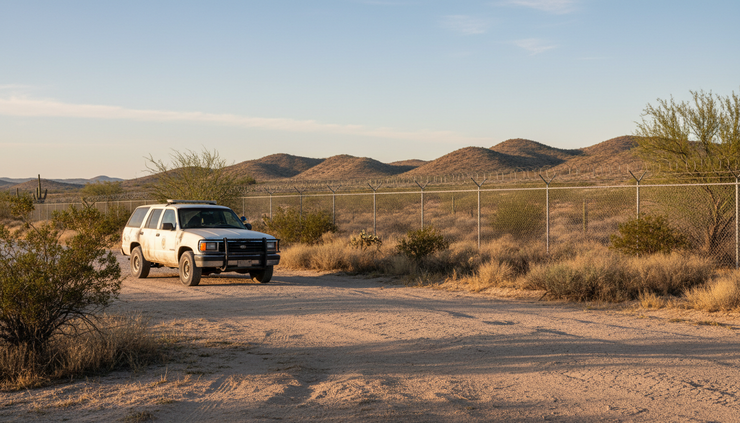
The United States has pushed Mexico for years to do more against cartels. Mexico has pushed back on sovereignty concerns, U.S. gun flows, and the high demand for drugs in American cities. Those debates have not gone away. But the brief points to combined forces disrupting drug cartels, with progress underway.
That type of cooperation can include intelligence sharing, joint investigations, financial tracking, extradition discussions, port inspections, and pressure on supply chains tied to synthetic drugs. Fentanyl has made this work more urgent. It is potent, easy to traffic in small quantities, and devastating in communities across the United States.
For Washington, cartel disruption is a national security issue and a domestic political issue. For Mexico City, cartel power is a threat to public safety and state authority. That overlap creates room for more direct cooperation.
The hard part is trust.
Security cooperation requires sensitive information. It also requires confidence that operations will not be leaked or politicized. Mexico has long guarded its sovereignty, especially when U.S. agencies operate near or inside Mexican territory. The United States has long worried about corruption and weak enforcement in parts of Mexico’s security system.
A better partnership does not erase those concerns. It works around them through narrower goals and constant negotiation.
Three areas are especially important:
Targeting money
Cartels operate like transnational businesses. Following cash, shell companies, and payment networks can hurt them in ways that street-level seizures cannot.
Disrupting precursors
Synthetic drugs rely on chemicals and supply chains. Better inspection and tracking can raise the cost of production.
Sharing timely intelligence
Slow information is often useless. The value comes when agencies can act before shipments, weapons, or cartel leaders move.
The progress is real if it produces arrests, seizures, disrupted routes, and reduced cartel reach. It is also politically useful. A White House that can point to fewer crossings and tougher action on cartels has a stronger border message heading into an election cycle.
Trade may be the strongest glue in the partnership
If border and security policy explain the urgency, trade explains the staying power.
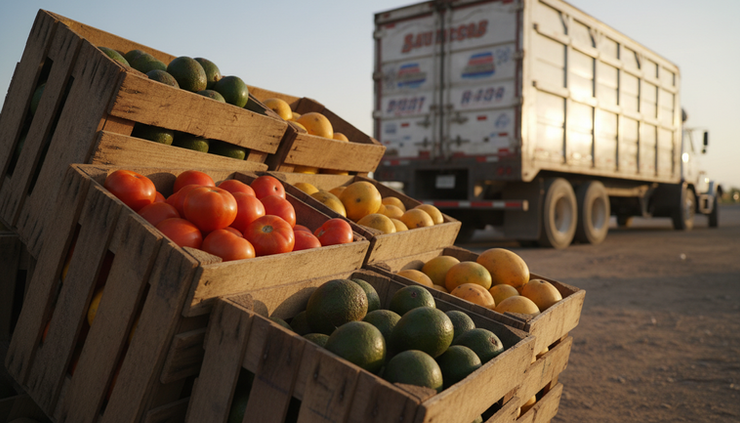
The U.S. and Mexico are deeply tied through manufacturing, agriculture, energy, logistics, and consumer goods. Cars, medical devices, electronics, machinery, beer, produce, and countless components cross the border as part of shared production systems. Many goods are not simply made in one country and sold in the other. They are built through supply chains that move back and forth.
That is why commerce between the two countries reaching an all-time high matters so much. The brief notes that trade is up 14% from a year ago and that the two countries are now each other’s biggest trading partner. That kind of increase gives both governments a reason to prevent political disputes from damaging the economic relationship.
Nearshoring also plays a role. Companies that once depended heavily on overseas production have looked for suppliers closer to the U.S. market. Mexico benefits from geography, labor capacity, existing industrial clusters, and USMCA rules. The United States benefits when production moves closer to home and supply chains become less exposed to faraway disruptions.
The result is a relationship that is no longer only about borders. It is about factories in northern Mexico, rail links into the Midwest, Texas ports, Arizona logistics hubs, California produce routes, and consumers across the country.
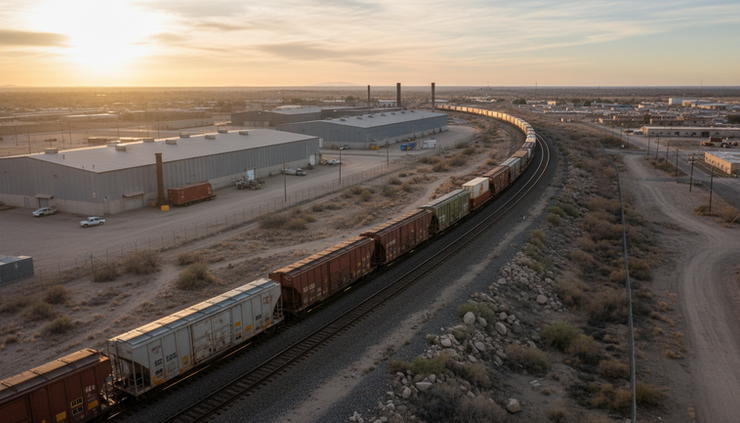
The trade relationship also creates political constraints.
A president can threaten tariffs or criticize a neighbor. But disrupting U.S.-Mexico commerce can affect farmers, automakers, retailers, manufacturers, energy companies, and families buying everyday goods. Border states feel the impact first, but the effects do not stay there.
This is one reason Mexico has become harder to treat only as a political foil. The partnership is too economically important.
The USMCA review is the next big test
The next major checkpoint is the USMCA process. The agreement replaced NAFTA and created the current rules for much of North American trade. It covers market access, labor standards, auto rules, digital trade, agriculture, and dispute processes.
A delayed USMCA meeting is expected to be rescheduled in the near future. That meeting will matter because it will test whether the current warmth between Washington and Mexico can survive the details.
Trade agreements often sound broad and technical, but the fights are concrete. Auto companies care about parts rules. Farmers care about market access. Unions care about labor enforcement. Energy firms care about investment rules. Governments care about legal authority and political optics.
For the White House, an agreement or visible progress before the midterm elections would be valuable. It would show that the administration can manage the border, confront cartels, and keep North American trade growing. That is a rare combination in U.S. politics.
Mexico also has reasons to pursue stability. Investors want clear rules. Manufacturers want predictability. A fight over USMCA could slow new investment or complicate cross-border production. Mexico’s government may disagree with Washington on specific terms, but it has a strong incentive to keep the broader framework intact.
Canada remains part of the agreement, of course. The challenge is that the three-country structure now operates in a more uneven political climate. If Washington’s relationship with Ottawa remains tense while ties with Mexico strengthen, USMCA talks could become more complicated.
That does not mean Canada gets pushed aside. It does mean Mexico may have more influence than many observers expected.
The partnership is booming, but it is not guaranteed
The current U.S.-Mexico relationship rests on a practical bargain. Mexico helps on migration and security. The United States supports a trade relationship that brings investment, jobs, and political wins. Both sides gain from lower border chaos and stronger commerce.
But the bargain has weak points.
Migration can rise again. Cartels can adapt. Trade disputes can flare quickly. Domestic politics in either country can turn cooperation into a liability. A single crisis at the border, a major cartel attack, or a tariff threat could change the tone.
There is also a deeper question. Can a partnership built on pressure become a partnership built on trust?
That is the difference between a temporary deal and a durable North American strategy. If the two governments only cooperate to get through the next election or the next migration spike, the relationship will remain fragile. If they build lasting habits around border management, intelligence sharing, legal trade, and fair labor rules, the partnership could reshape North America for years.
The best sign is that economics and security now point in the same direction. Both countries need the border to function. Both need trade to keep growing. Both need cartels weaker. Both need USMCA to remain credible.
That alignment does not remove conflict. It makes conflict more expensive.
What this shift means for North America
Mexico’s new role in Trump’s foreign and domestic agenda is striking because it reverses an older political script. The neighbor once used as a symbol of disorder is now being treated as a necessary partner in producing order.
That shift is visible in three places.
First, the border numbers give the White House a concrete success to cite. Second, cartel cooperation gives both governments a shared security mission. Third, record trade gives businesses and voters a reason to support stability.
The next USMCA meeting will show whether this momentum can move from short-term cooperation to a firmer agreement. If it does, the U.S.-Mexico partnership could become one of the central political and economic stories of the midterm cycle.
For now, the message is clear. The U.S. relationship with Canada may be under strain, but the relationship with Mexico is booming. In North America’s new political map, Washington’s most important neighbor may be the one Trump once attacked the most.
Contact BBMX to learn how we can help you do business with Mexico.
John J. Guze
President, Boutique Bridge MX